
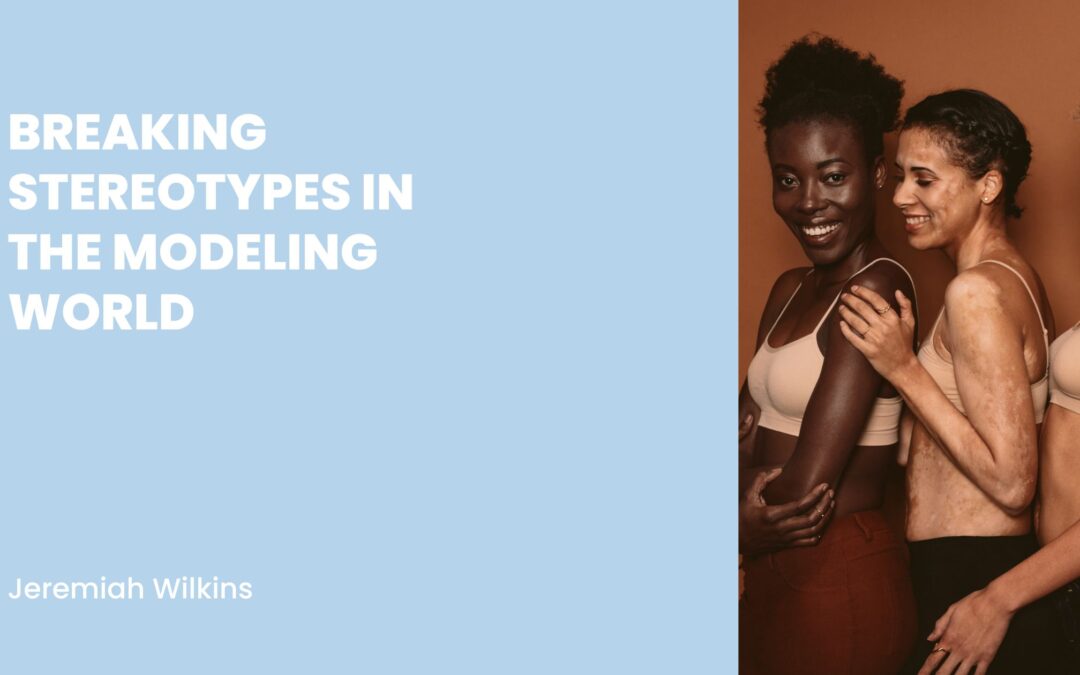
The modeling industry has long been associated with rigid beauty standards—tall, thin, young, and overwhelmingly Eurocentric. For decades, these criteria dictated who could grace magazine covers, runways, and major campaigns. But in recent years, a powerful shift has taken place. Today’s modeling world is evolving to embrace diversity, individuality, and authenticity, challenging long-held stereotypes and reshaping the definition of beauty.
The Power of Representation
Representation matters. When people see models who reflect their own appearance, backgrounds, and abilities, it fosters confidence and inclusion. The rise of models of all races, body types, ages, genders, and abilities marks a pivotal change. From Winnie Harlow, who proudly showcases her vitiligo, to Jillian Mercado, a wheelchair-using model breaking barriers in high fashion, the industry is starting to acknowledge that beauty comes in many forms.
This change is not just symbolic—it’s cultural. By featuring a wider range of models, brands send a powerful message that everyone deserves to be seen and celebrated. It challenges narrow ideals and allows fashion to serve as a reflection of real-world diversity.
The Rise of Body Positivity
One of the most impactful shifts in modeling has come from the body positivity movement. Plus-size models like Ashley Graham and Paloma Elsesser have disrupted outdated notions of body image and demonstrated that curves belong in couture. These women have become role models for millions, proving that confidence, talent, and professionalism matter far more than fitting into a sample size.
Brands are increasingly recognizing the value of inclusive sizing and representation. Campaigns that embrace body diversity resonate more deeply with consumers, creating a stronger connection between brand and buyer.
Age Is Just a Number
Another stereotype being dismantled is the idea that modeling is only for the young. Older models like Maye Musk and Daphne Selfe have proven that elegance and style don’t fade with age. Mature models are bringing life experience, grace, and a unique presence to fashion, encouraging consumers of all ages to feel stylish and relevant.
This shift highlights that beauty evolves—and that every stage of life has value. Fashion can be aspirational without being exclusionary.
Gender and Androgyny
The industry has also become more inclusive of gender identity and expression. Nonbinary, transgender, and androgynous models like Aaron Philip and Indya Moore are redefining gender norms in fashion. These individuals challenge outdated categories and remind us that beauty and self-expression don’t need to fit into a binary framework.
As brands embrace fluidity and authenticity, the modeling world becomes a platform for both personal identity and social progress.
Moving Forward
Breaking stereotypes in modeling is more than a trend—it’s a movement toward authenticity and empowerment. While there’s still work to be done, the progress made in recent years shows that change is possible when voices demand it and when brands listen.
Ultimately, the modeling industry has the potential to be one of the most powerful platforms for inclusion. By continuing to challenge outdated norms and elevate diverse talent, it can inspire a new generation to believe in their worth—just as they are.