
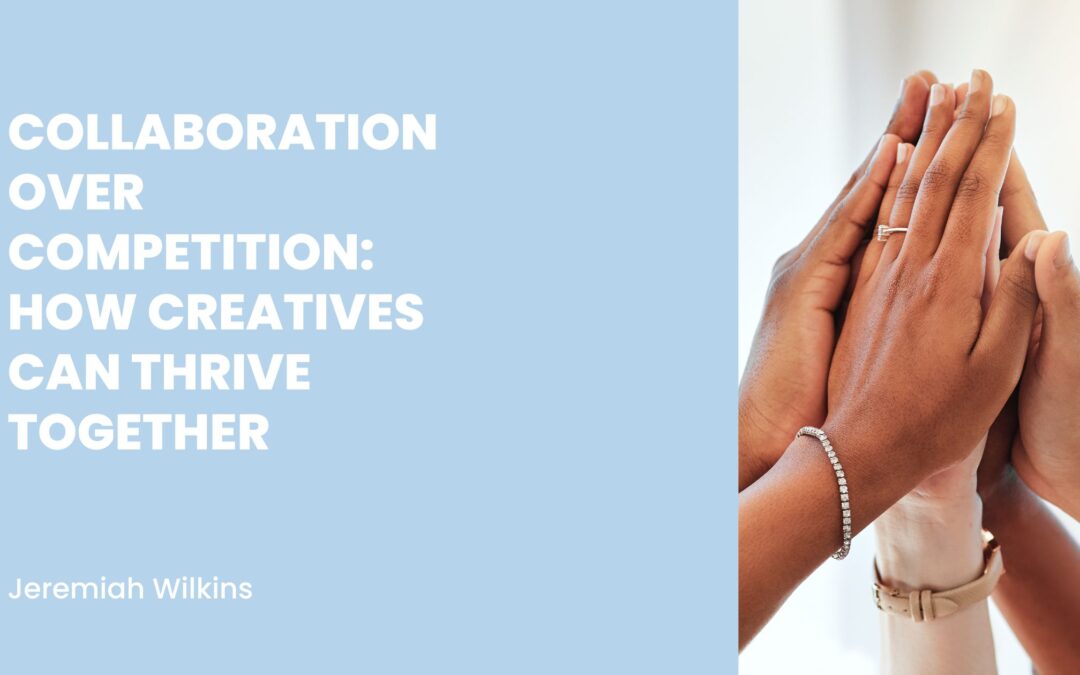
In creative industries, the instinct to compete often overshadows the powerful potential of collaboration. Whether you’re a musician, designer, writer, or artist, it’s easy to view others in your field as rivals. But the truth is, thriving creatively—and sustainably—is often less about outshining others and more about working together.
The Myth of the Lone Genius
Pop culture tends to romanticize the idea of the lone creative genius, toiling away in isolation and emerging with brilliance. While individual vision is important, the reality is that many of the most impactful projects are born from collaboration. From co-writing sessions in music to cross-brand partnerships in fashion, teamwork can elevate an idea from good to great.
Collaboration allows for the sharing of resources, diverse perspectives, and complementary skills. It creates opportunities to experiment, refine, and reach new audiences—far more efficiently than working solo.
Why Collaboration Works
-
Expanded Skill Sets: No one is good at everything. A graphic designer might be great visually but need help with marketing. A songwriter may struggle with production. Collaborating lets each person contribute their strengths to create something greater than the sum of its parts.
-
Access to New Audiences: When creatives join forces, they bring their respective communities with them. This cross-pollination exposes each collaborator to new followers and potential clients or fans.
-
Faster Growth: Shared knowledge accelerates learning. When creatives exchange feedback, workflows, and contacts, they create a faster path to improvement and success.
-
Support System: Creative work can be emotionally and mentally taxing. Collaborating with others creates a support network that helps navigate setbacks and celebrates wins together.
Making Collaboration Work
-
Start With the Right Fit: Look for collaborators who share your values, work ethic, and creative goals. Alignment in these areas leads to smoother communication and better results.
-
Set Clear Expectations: Before diving in, clarify roles, timelines, and ownership of the final product. Whether it’s a joint music release or a co-branded product line, agreeing on the details upfront avoids misunderstandings later.
-
Stay Open and Flexible: Collaboration requires give and take. Be willing to listen, compromise, and trust your partner’s perspective. Flexibility can lead to unexpected creative breakthroughs.
-
Celebrate Each Other’s Wins: Collaboration isn’t a zero-sum game. One person’s success uplifts the team. Promote each other’s work, give credit generously, and build a culture of mutual respect.
From Isolation to Innovation
Today’s digital world has made collaboration easier than ever. Platforms like Zoom, Slack, Google Drive, and even TikTok duets enable creatives to partner across time zones and disciplines. Whether it’s a fashion designer collaborating with a photographer or a poet working with a visual artist, these partnerships often spark innovation that would be hard to achieve alone.
Final Thoughts
In a competitive world, choosing collaboration might feel risky—but it’s often the most strategic move. When creatives lift each other up, they not only grow individually but help strengthen the entire creative community.
Instead of asking, “How can I stand out?” consider asking, “Who can I build with?” The answer might lead to your most impactful work yet.