
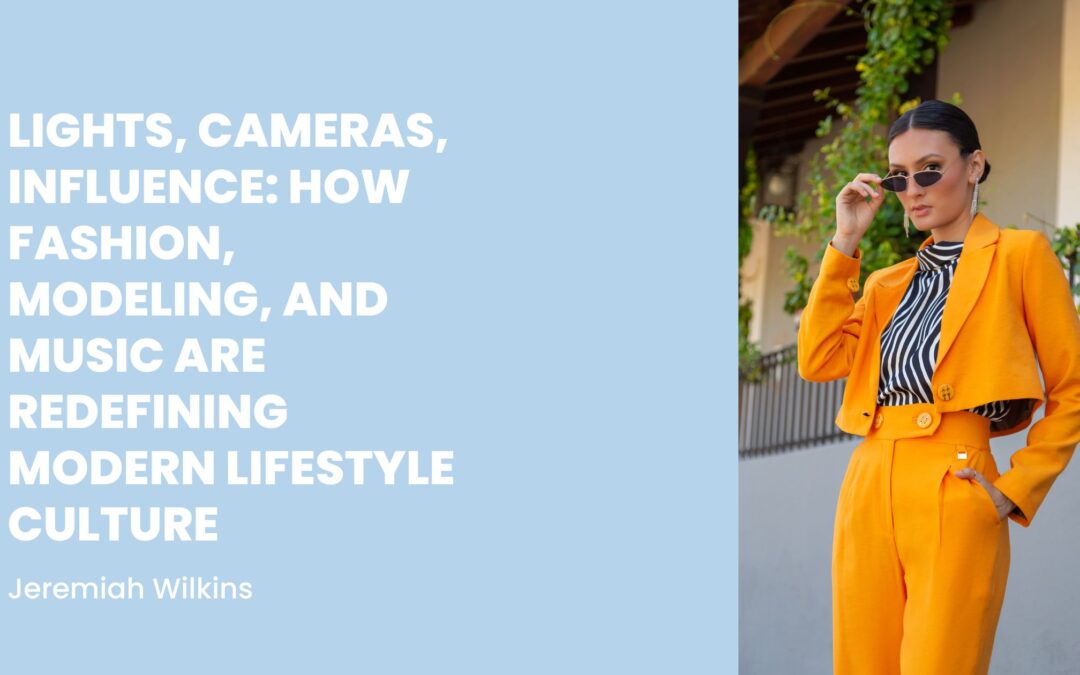
Lifestyle trends have always reflected society’s values, aspirations, and creativity. Today, three industries are leading the cultural conversation more than ever before: fashion, modeling, and music. Together, they shape global trends, influence consumer behavior, and redefine how people express themselves in the modern world.
Fashion has evolved far beyond clothing. It has become a powerful form of personal storytelling. What people wear communicates identity, confidence, and individuality. Social media platforms have accelerated the speed at which trends emerge and spread, allowing fashion influences to travel across the globe in a matter of hours rather than months.
The modeling industry has undergone a significant transformation alongside these changes. Traditional standards of beauty are being challenged by a growing demand for diversity, authenticity, and inclusivity. Today’s most successful models represent a wide range of backgrounds, body types, ages, and personal styles. This shift reflects a broader cultural movement toward representation and acceptance.
Digital platforms have also democratized access to modeling opportunities. Aspiring models no longer rely solely on agencies to gain visibility. Through social media, individuals can build personal brands, collaborate with fashion labels, and connect directly with audiences worldwide. As a result, influencers and content creators are increasingly becoming major players in the fashion ecosystem.
Music remains one of the most influential aspects of lifestyle culture. Beyond entertainment, music shapes moods, movements, and social trends. Artists often set the tone for fashion, language, and cultural conversations. Whether through concerts, streaming platforms, or social media engagement, musicians continue to influence how people think, dress, and connect.
The intersection of fashion and music has become particularly powerful. Musicians frequently launch fashion collaborations, while fashion brands use music artists as ambassadors to connect with younger audiences. These partnerships create cultural moments that drive both brand awareness and consumer engagement.
Technology continues to reshape all three industries. Artificial intelligence, virtual influencers, digital fashion, and immersive online experiences are opening new possibilities for creators and consumers alike. Virtual fashion shows, online concerts, and augmented reality experiences are becoming increasingly common, blending entertainment with innovation.
Sustainability is another major force influencing modern lifestyle culture. Consumers are paying closer attention to ethical sourcing, environmental impact, and responsible production practices. Fashion brands and artists who embrace sustainability are often rewarded with stronger customer loyalty and positive brand perception.
For aspiring entrepreneurs and creatives, these industries offer unprecedented opportunities. Independent fashion designers can sell directly to consumers online. Emerging musicians can distribute their work globally through streaming platforms. Models and influencers can build careers through content creation and personal branding.
However, success requires more than talent. Consistency, adaptability, authenticity, and business knowledge are essential in highly competitive industries. Building a strong personal brand has become just as important as mastering creative skills.
As technology and culture continue to evolve, fashion, modeling, and music will remain central to lifestyle trends worldwide. They influence how people express themselves, connect with others, and engage with the world around them.
Ultimately, lifestyle culture is about identity and inspiration. Fashion, modeling, and music provide the tools people use to tell their stories, celebrate creativity, and shape the future of global culture. Their influence extends far beyond entertainment, making them some of the most powerful forces in modern society.